SECTION 3/ AMATEURISM RULES & NIL REGULATIONS
SECTION 3/ AMATEURISM RULES & NIL REGULATIONS
SECTION 3/ AMATEURISM RULES & NIL REGULATIONS
SECTION 3/ AMATEURISM RULES & NIL REGULATIONS Modern recruiting now includes Name, Image, and Likeness (NIL), but amateurism rules still matter. Understanding what is allowed—and what is not—protects eligibility and future opportunities.
Amateurism Standards Athletes must compete as amateurs. Accepting payment, benefits, or incentives tied to athletic performance or recruiting can jeopardize eligibility if not permitted under NIL rules.
NIL Basics NIL allows athletes to earn compensation for use of their name, image, and likeness—but not for pay-to-play or recruiting inducements. Deals must reflect legitimate market value.
Permissible NIL Activities
Endorsements and sponsorships
Social media promotions
Camps, clinics, and appearances
Personal branding and merchandise
Prohibited or Risky Activities
NIL offers contingent on enrollment or performance
Payments arranged by boosters to influence recruiting
Undisclosed or improperly structured agreements
Disclosure & Compliance Many schools require NIL deals to be reported. Athletes must follow institutional, conference, and state regulations.
High School & NIL High school NIL rules vary by state and association. Athletes must confirm what is allowed before signing any agreement.
Key Takeaway NIL is an opportunity—but only when managed correctly. Athletes who stay educated, transparent, and compliant protect both their eligibility and their brand.
This podcast is hosted by ZenCast.fm
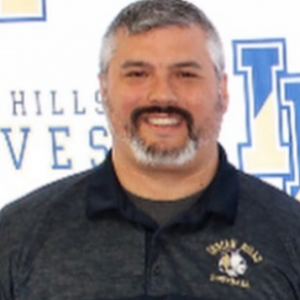
CEO of NUC Sports, Founder of Success For Life Podcast, and Football Head Coach
View episodesGet new episodes of The $100M Dollar Athlete Podcast automatically


